
Europe is a dream destination for almost every Indian, and I am one of them. I have always been fascinated by its beauty, cleanliness, people, architecture, and the overall charm of the continent. If you are also planning your Europe Trip from India, this guide is for you.
Planning a Europe trip for the first time can quickly become overwhelming. Paris, Switzerland, Amsterdam, Venice, Rome, Barcelona — once you start looking at the map, it is tempting to add more and more places to your itinerary. But visiting more destinations does not always mean having a better trip. Every additional city means another hotel check-out, another journey, more luggage to carry, and less time to actually enjoy each place.
For a first Europe trip, a better approach is to choose destinations that connect naturally with each other. You can fly into one city, travel between nearby destinations by train, and fly back to India from another city. France is a great example: you can start in Paris, travel through Lyon and Marseille, continue along the Mediterranean coast to Nice, and even cross into Italy if you have enough time. Much of this route can be covered by train, making the journey easier and more enjoyable. In this guide, we will cover how to plan the route, how much to budget, when to choose trains over flights, where to stay, and how to avoid turning your first Europe trip into a race between airports.
How Much Should You Budget for a Europe Trip from India?
Europe can be expensive, but the total cost depends heavily on where you travel, how early you book and whether you travel alone or share accommodation.
For a 10 to 12-day trip through France, a realistic planning budget for one person travelling with a partner or friend and sharing hotel rooms could look something like this:
International flights from India — ₹45,000–₹75,000 (€410–€680)
Visa, insurance and related costs — ₹12,000–₹18,000 (€110–€165)
Accommodation, sharing a room — ₹50,000–₹77,000 (€450–€700)
Intercity trains — ₹10,000–₹19,000 (€90–€170)
Local transport — ₹9,000–₹13,000 (€80–€120)
Food — ₹38,000–₹55,000 (€350–€500)
Attractions and activities — ₹16,000–₹28,000 (€150–€250)
Estimated total — Around ₹1.8–₹2.85 lakh (€1,640–€2,590)
These figures are only a planning range.
Prices can be considerably higher during summer, Christmas, major events or when booking at the last minute.
Solo travellers should also expect to spend more on accommodation because there is nobody to share the room cost with.
For simplicity, the rupee conversions in this guide use approximately €1 = ₹110. Exchange rates change, so check the current rate before travelling.
The point is not to calculate every rupee before leaving home.
It is to understand which decisions have the biggest effect on your budget.
Choosing a sensible route can save much more money than trying to save a few euros on every meal.
1. Choose Your Route Before Booking the Flight
One of the easiest mistakes is finding a cheap flight to Europe first and deciding what to do afterwards.
A better approach is to decide roughly where you want to travel before buying the international ticket.
Look for cities that form a natural route.
For example:
Paris → Lyon → Marseille → Nice
You are constantly moving in the same direction.
There is no reason to return to Paris after every stop, and no need to take another flight each time you change city.
You could also build routes such as:
• Paris → Brussels → Amsterdam
• Rome → Florence → Venice
• Madrid → Valencia → Barcelona
• Milan → Florence → Rome
When planning Europe, geography matters.
Two famous cities can look relatively close on a map while still requiring a long and inconvenient journey.
Before adding a destination, always check how you will actually get there.
If you are still deciding where to go, LowCostWings has practical guides to European cities and destinations that can help you compare different options.
2. A Great First Route: Paris to the French Riviera
For a first trip from India, France offers a particularly simple example of how a multi-city European holiday can work.
You can arrive in Paris and then gradually travel south:
Paris → Lyon → Marseille → Nice
Each destination feels different.
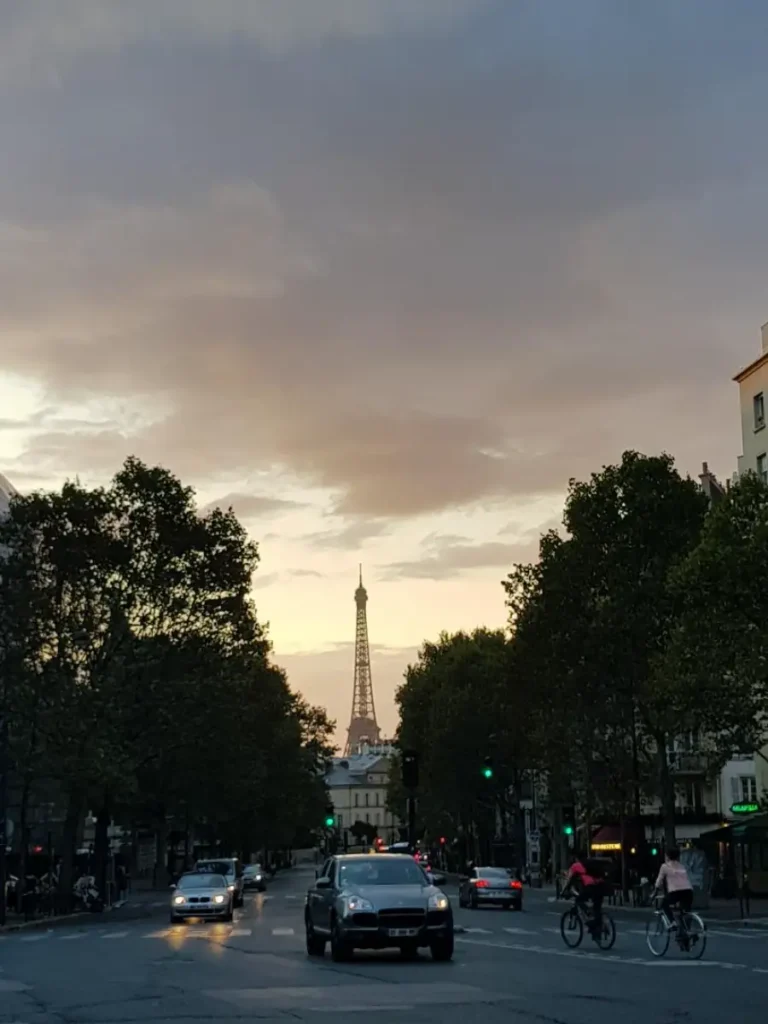
Paris gives you the famous monuments and museums that many first-time visitors want to see.
Lyon is a good intermediate stop between northern and southern France, with a large historic centre, excellent food and a very different atmosphere from Paris.
Marseille brings you to the Mediterranean.
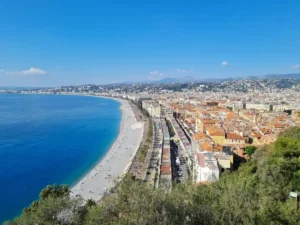
Then Nice gives you a base on the French Riviera, with easy rail connections to places such as Monaco, Menton, Antibes and Cannes.
If your holiday is long enough, Nice also puts you close to the Italian border.
Instead of building your trip around airports, you are essentially following the railway south.
3. Why Trains Work So Well for European City Trips
When people compare a train with a flight, they often compare only the advertised journey time.
A flight lasting one hour sounds much faster than a three-hour train.
But that is not the real journey.
For a flight, you may need to:
• Travel from your hotel to the airport
• Arrive well before departure
• Pass through security
• Wait at the gate
• Take the flight
• Collect luggage
• Travel from the next airport into the city
The better comparison is:
hotel → airport → flight → airport → hotel
versus:
hotel → railway station → train → railway station → hotel
That can completely change the calculation.
Paris to Lyon
High-speed trains connect Paris with Lyon in around two hours on the fastest services.
You leave from Paris Gare de Lyon and arrive at Lyon Part-Dieu, already inside the city.
There is no reason to spend part of your day travelling to an airport for a journey like this.
Lyon to Marseille
The fastest direct trains between Lyon and Marseille take around one and a half hours.
Again, you travel from a major city station directly to Marseille-Saint-Charles.
The station is right beside central Marseille, so you can continue towards your hotel using the metro, bus or even walk if you are staying nearby.
Marseille to Nice
This part of the journey is slower.
The fastest trains currently take a little over three hours.
But it is still a straightforward city-to-city journey.
You board in Marseille and arrive at Nice-Ville without organising another airport transfer.
For travellers visiting several large European cities, this simplicity is one of the biggest advantages of the train.
4. Think City Centre to City Centre
This is one of the most useful habits when planning transport in Europe.
Do not automatically book the cheapest flight you find.
First calculate the complete journey.
Imagine a flight costs €35 (around ₹3,850) while the train costs €55 (around ₹6,050).
At first, the flight looks cheaper.
But then you add:
• Transport to the departure airport
• Cabin or checked baggage
• Transport from the arrival airport
• Possibly seat selection or other airline fees
The €35 flight may no longer cost €35.
The train may also save several hours of waiting and transfers.
Of course, this does not mean trains are always better.
If you want to travel from Paris to Athens or from Barcelona to Rome, flying may be much more practical.
A simple rule works well:
Use trains for nearby cities and compare flights when the distance becomes large.
5. Train Travel Also Makes Luggage Easier
Luggage becomes surprisingly important on a multi-city trip.
If you take several low-cost flights around Europe, baggage fees can quickly add up.
The cheapest airline fare may include only a small personal bag.
A cabin trolley or checked suitcase can cost extra.
Train travel generally makes this easier.
You normally keep your luggage with you, and you do not have to check it in before every journey.
You should still check the luggage conditions of the train company you are using, but travelling with a normal suitcase is usually straightforward.
There is another advantage.
You do not want to drag a huge suitcase through Paris, Lyon, Marseille and Nice either.
For a trip where you change hotels several times, packing reasonably light makes everything easier.
6. Book Your International Flight as a Multi-City Trip
You do not necessarily need to return to the same airport where your holiday started.
This is one of the most useful things to understand when planning a multi-city Europe trip.
Suppose your itinerary is:
Paris → Lyon → Marseille → Nice → Italy
You could search for:
India → Paris
and then:
Milan → India
on the same multi-city flight search.
This is sometimes called an open-jaw itinerary.
Compare it with flying India → Paris → India and travelling all the way back to Paris at the end of your holiday.
Even if the multi-city airfare is slightly more expensive, it may save you another train journey, another hotel night and most of a travel day.
Always compare both options before booking.
The cheapest airfare is not necessarily the cheapest trip.
7. How Long Do You Need for This Route?
This is where many first-time Europe itineraries go wrong.
Trying to visit Paris, Lyon, Marseille, Nice, Milan, Venice and Rome in ten days is possible on paper.
It is not a trip I would recommend.
You would spend too much time moving.
For 10 to 12 days, a much more comfortable route is:
Paris → Lyon → Marseille → Nice
For 14 to 16 days, you can consider continuing into Italy.
If you have only 7 to 9 days, remove one stop rather than trying to compress everything.
For example:
Paris → Lyon → Nice
or:
Paris → Marseille → Nice
Travelling slowly does not mean seeing less.
It often means actually remembering the places you visited.
8. Sample 12-Day France Itinerary
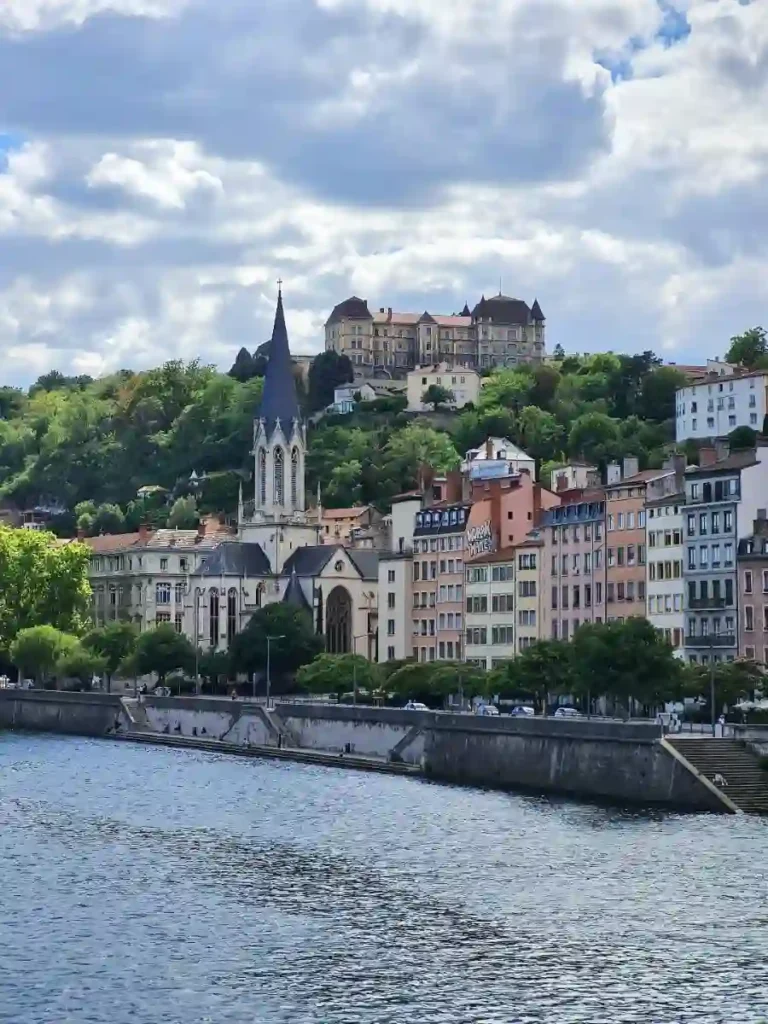
Here is one way to organise the trip.
Day 1 – Arrive in Paris
After a long flight from India, do not plan too much.
Check into your hotel and explore the neighbourhood.
If you still have energy, go for an evening walk or see one nearby attraction.
Day 2 – Paris
Use your first full day for some of the major sights.
Depending on your interests, that might include the Eiffel Tower, the Seine, the Louvre area or the historic centre.
Avoid trying to visit everything.
Paris deserves time.
Day 3 – Paris
Spend another full day exploring.
You can choose another major attraction, walk through different neighbourhoods or simply enjoy the city without a strict schedule.
Day 4 – Paris to Lyon
Check out and travel to Paris Gare de Lyon.
Take the train south to Lyon.
Because the journey is relatively short, you can still have much of the afternoon and evening in Lyon.
Day 5 – Lyon
Spend a full day exploring the city.
Walk through Vieux Lyon, the Presqu’île and the riverfronts.
Lyon is also a good place to make food part of the experience rather than treating every meal as something to fit between attractions.
Day 6 – Lyon to Marseille
Take a morning or late-morning train towards Marseille.
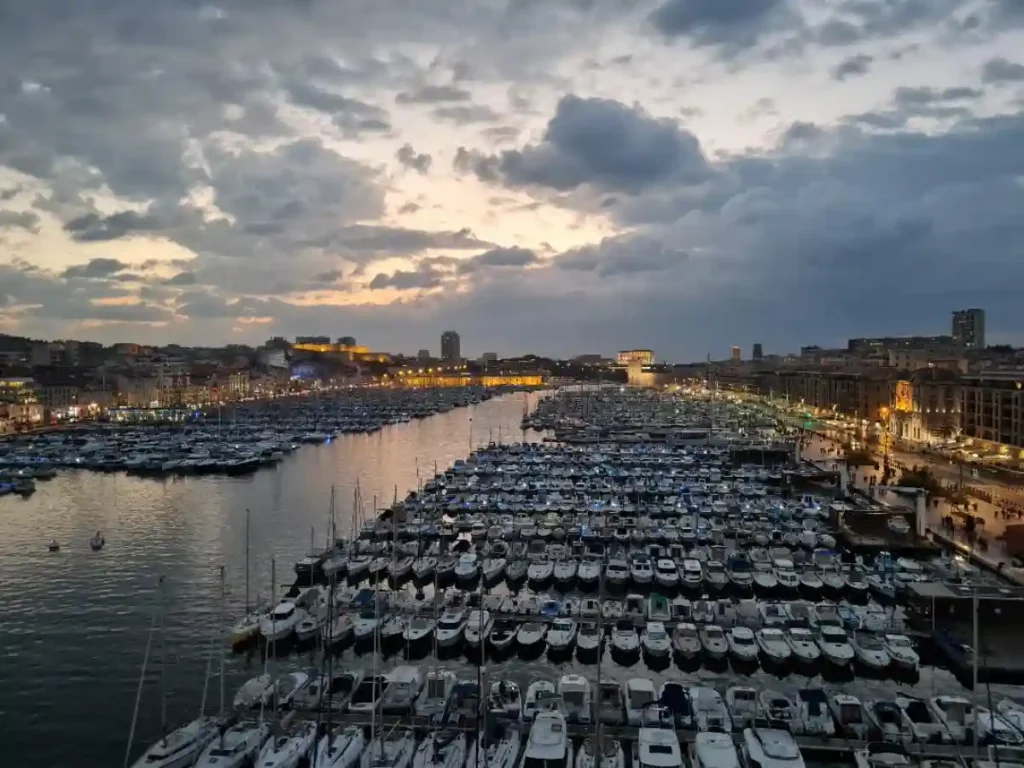
Once you arrive at Marseille-Saint-Charles, leave your luggage at the hotel and explore the Old Port area.
Day 7 – Marseille
Keep a full day for Marseille.
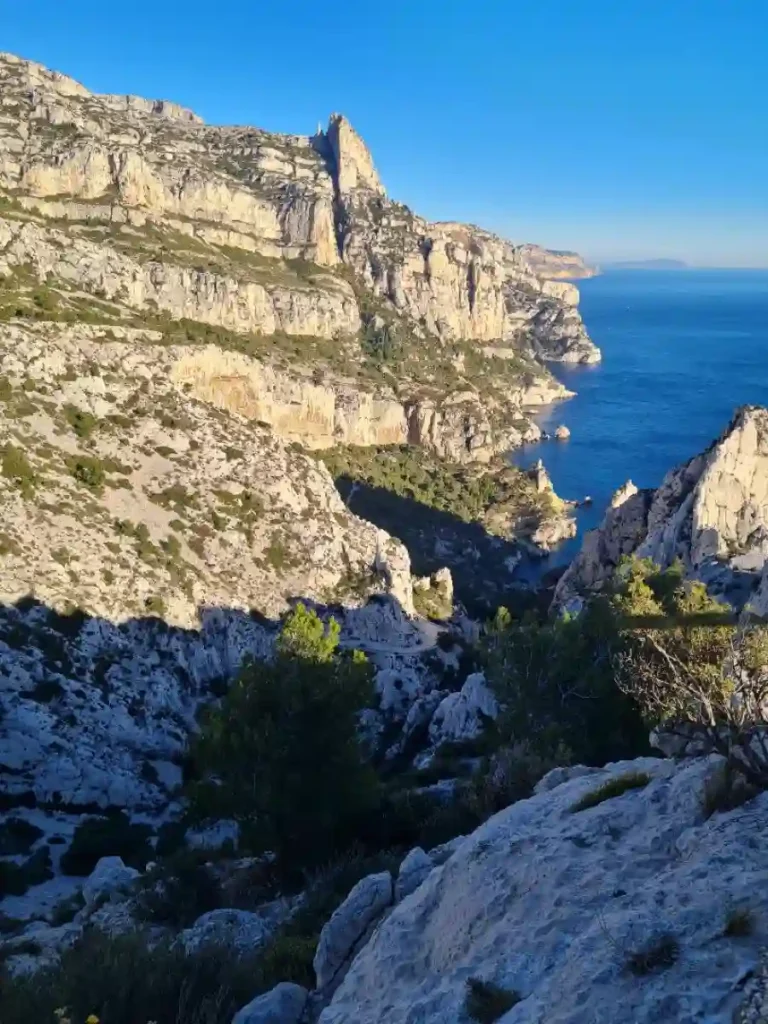
You can stay in the city or use part of the day for the coastline, depending on your interests and the season.
Day 8 – Marseille to Nice
Travel east towards Nice.
The train takes longer than the previous journeys, so treat this as a proper travel morning rather than trying to fill the entire day with activities.
After checking in, spend the afternoon around central Nice and the Promenade des Anglais.
Day 9 – Nice
Explore Nice itself.
The old town, seafront and viewpoints can easily fill a day without needing another major journey.
Day 10 – French Riviera
Use Nice as your base for a day trip.
Monaco, Menton, Antibes and Cannes are all possible options by train.
Choose one or two places rather than trying to visit the entire Riviera in one day.
Day 11 – Nice or Another Riviera Day
Leave some flexibility.
You may want another day in Nice, a second day trip or simply a slower final day before travelling home.
Day 12 – Fly Home or Continue to Italy
If France is the entire trip, travel to your departure airport.
If you have more time, continue towards Italy.
9. Continuing From Nice Into Italy
Nice is particularly interesting because the railway does not simply stop at the French border.
Regional trains run east along the coast through Monaco and Menton to Ventimiglia, the first major Italian railway station after the border.
A full-fare Nice–Ventimiglia regional ticket is currently around €10.60, approximately ₹1,170, and there are many services throughout the day.
Once you reach Ventimiglia, you join the Italian railway network.
From there, trains continue towards destinations including Genoa and Milan.
This makes a longer route possible:
Paris → Lyon → Marseille → Nice → Genoa → Milan
You could then fly home from Milan instead of travelling back across France.
For a first trip, however, I would only add Italy if you have at least another three or four days.
Crossing a border just to say you visited another country is not worth sacrificing the rest of the holiday.
10. Where You Stay Matters More Than It Looks
The cheapest hotel is not always the cheapest place to stay.
Imagine finding a hotel for €15 less per night but needing 45 minutes of transport every morning and evening.
You may save money on the room while losing time and spending more on transport.
For a multi-city rail itinerary, location becomes even more important.
You do not necessarily need a hotel beside the railway station.
But good access to the station by metro, tram or local train can make travel days considerably easier.
Before booking, check:
• Distance from public transport
• Travel time to the main railway station
• Total price including taxes
• Cancellation conditions
• Luggage storage
• Check-in and check-out times
• Whether breakfast is included
• Whether the bathroom is private or shared
For a private room in popular French cities, something around €80–€120 per night — approximately ₹8,800–₹13,200 — can be a useful starting point for planning, although prices can vary enormously by date.
If you are travelling with another person, remember that the room cost is shared.
Before confirming a reservation, it is worth taking a few minutes to compare hotel prices on LowCostWings for the same dates and room type.
A small difference each night can become significant over a 10 or 12-night trip.
11. Book Long-Distance Trains Early When You Can
European train pricing is not the same everywhere.
Some regional trains have relatively simple fares.
High-speed trains are different.
On routes such as Paris–Lyon, prices can increase as cheaper tickets sell out.
Once your international flight, hotels and travel dates are fixed, it is therefore worth checking the main train journeys.
You do not need to book every local train months in advance.
Focus first on the important long-distance journeys.
For this itinerary, those are:
• Paris → Lyon
• Lyon → Marseille
• Marseille → Nice
For short Riviera journeys from Nice, you can normally keep much more flexibility.
12. Do You Need a Eurail Pass?
Not necessarily.
Rail passes can be useful for some trips, particularly when you are taking many journeys across several countries.
But do not buy one automatically because you are travelling in Europe.
Write down the trains you expect to take and compare the cost of individual tickets with the pass.
For a route containing only three major intercity journeys, separate tickets may make more sense.
Also remember that some high-speed trains require reservations even when you have a rail pass.
The best option depends on your exact itinerary.
13. Plan the Schengen Visa Around Your Real Trip
Indian passport holders generally need a short-stay Schengen visa for a tourist trip to France.
If France is your only destination or the main destination of your trip, the application is handled through the French visa process in India.
Your visa application should reflect the journey you actually intend to make.
You may need to provide information about accommodation, transport, insurance and your itinerary.
Do not create an unrealistic itinerary simply because you think it will look better on the application.
And avoid making expensive non-refundable bookings before understanding the requirements that apply to your situation.
Visa procedures, fees and required documents can change.
Always check the latest information on the official France-Visas website and the relevant visa centre before applying.
14. Save Money Without Making the Trip Uncomfortable
Budget travel does not have to mean choosing the cheapest possible option every time.
Sometimes spending slightly more in the right place saves money elsewhere.
Stay near useful transport
A well-located hotel can reduce taxis and wasted time.
Book important trains early
You may find better fares before the cheapest tickets disappear.
Mix restaurants with cheaper meals
You do not need a restaurant for breakfast, lunch and dinner every day.
Bakeries, markets and supermarkets are useful for some meals, while you can save your restaurant budget for places you actually want to try.
Walk when it makes sense
Paris, Lyon, Marseille and Nice all have areas that are best experienced on foot.
You may not need an unlimited transport pass every day.
Check the final airline price
A €25 flight is not really €25 if you add €35 for luggage and another €20 for airport transfers.
Keep some money aside
Do not plan to spend your entire budget.
An extra €100–€150 (around ₹11,000–₹16,500) gives you room for unexpected transport, an attraction you did not plan or simply a better meal.
15. Do Not Overplan Every Day
It is easy to create a spreadsheet where every hour of the holiday has an activity.
Real travel does not work like that.
Flights can arrive late.
You may be tired.
You might discover an area you want to explore for longer.
Or you may simply want to sit somewhere with a coffee instead of visiting another museum.
Plan the important things.
Book attractions that genuinely need advance reservations.
But leave some empty space in the itinerary.
That flexibility is particularly valuable when you are travelling through several cities.
Common Mistakes on a First Europe Trip
Visiting too many countries
Three or four cities enjoyed properly can be much more rewarding than seven cities rushed in ten days.
Looking only at flight time
A one-hour flight does not mean the journey takes one hour.
Compare the complete door-to-door trip.
Returning to your arrival city for no reason
Check multi-city international flights before assuming you need a traditional return ticket.
Staying too far outside the city
The room may be cheaper, but transport time and costs can remove the saving.
Taking flights between cities that have excellent trains
Always check the railway before booking another flight.
Travelling with too much luggage
Changing city every few days is much easier with manageable luggage.
Booking the cheapest option without checking what is included
This applies to flights, hotels and trains.
Always look at the final cost.
Trying to see everything
Europe will still be there for another trip.
You do not have to visit the entire continent the first time.
FAQ
How much does a 10 to 12-day Europe trip from India cost?
For a France itinerary like the one in this guide, around ₹1.8–₹2.85 lakh per person is a reasonable planning range when two people share a room.
Solo travel can cost more, while travellers using hostels and cheaper food options may spend less.
Is France too expensive for a budget Europe trip?
France is not the cheapest destination in Europe, particularly in Paris and on the French Riviera.
But a well-planned France trip can still be budget-conscious.
The goal is not necessarily to choose the cheapest cities. It is to avoid wasting money on unnecessary flights, poor hotel locations and badly designed routes.
Is train travel better than flying in Europe?
For nearby major cities, it often can be more convenient.
Compare the complete city-centre-to-city-centre journey rather than only the flight time.
For long distances, flying may still make more sense.
How many cities should I visit in 10 days?
Three main bases are usually comfortable.
Four can work when the travel times are short.
Beyond that, the trip can start feeling rushed.
Is Paris to Lyon easy by train?
Yes.
The fastest high-speed services take less than two hours and connect central Paris with Lyon.
Can I travel from Nice to Italy by train?
Yes.
Regional trains connect Nice with Ventimiglia, just across the Italian border.
From Ventimiglia, you can continue on Italian trains towards cities such as Genoa and Milan.
Should I buy a Eurail Pass for this itinerary?
Not automatically.
Compare the price of the pass with individual tickets for the journeys you actually plan to take.
Should I book hotels before applying for my visa?
Visa applications may require accommodation information, but you should check the official requirements for your situation before committing to expensive non-refundable bookings.
Should I carry euros from India?
Having some cash can be useful, but cards are widely accepted in France and Italy.
Check your bank’s foreign transaction fees before travelling and keep more than one payment method available.
Final Thoughts
Your first Europe trip does not have to be a competition to visit as many countries as possible.
A good itinerary should feel simple.
Fly into a city you genuinely want to see.
Stay long enough to enjoy it.
Move to the next destination when there is a logical connection.
And whenever two major cities are connected by a convenient train, compare the complete rail journey before automatically booking another flight.
A route such as Paris → Lyon → Marseille → Nice shows how well this can work.
You begin with one of Europe’s most famous cities, travel gradually towards the Mediterranean and finish on the French Riviera.
If you have more time, the railway continues across the border into Italy.
One international flight gets you into Europe.
A few well-chosen trains take care of most of the journey.
And instead of spending your holiday rushing back and forth between airports, you can spend more of it actually experiencing Europe.