Planning a trip to the mountains is always exciting. The fresh air, quiet roads, beautiful views and cooler weather make mountain destinations a great escape from busy city life. But before you leave, it is worth spending some time thinking about what to pack.
Packing for a mountain trip can be slightly different from packing for a normal holiday. Weather can change quickly, evenings can get cold, and you may end up walking more than you expected.
You don’t need to carry everything with you. A simple and practical packing list is usually enough. The important thing is to pack according to the destination, season and activities you have planned.
Here are some things worth keeping in your bag before heading to the mountains.
1. A Comfortable Backpack or Travel Bag
Start with a bag that is easy to carry and suitable for your type of trip.
If you are travelling by car and staying in hotels, a normal travel bag or suitcase may work perfectly well. But if you will be changing places often or walking between different locations, a comfortable backpack can be much easier to manage.
It is also useful to carry a small daypack. You can leave your main luggage at your accommodation and take only the things you need while exploring.
Try not to fill every bit of space in your bag. A lighter bag is much easier to carry, especially on mountain roads and walking trails.
2. Clothes for Changing Weather
Mountain weather can be unpredictable. Even when the afternoon is warm, temperatures can fall quickly once the sun goes down.
Instead of carrying one very heavy piece of clothing, it is better to pack a few layers. You can add or remove them depending on the weather.
A basic list could include:
- T-shirts or casual shirts
- Full-sleeve shirts
- Comfortable trousers or travel pants
- A sweater or fleece
- A warm jacket
- Thermal wear for colder destinations
- Enough socks and undergarments
- Comfortable nightwear
- A cap or woollen hat
- Gloves for winter trips
Choose clothes that are comfortable enough to wear for several hours. You may spend more time outdoors than you originally planned.
3. A Good Jacket
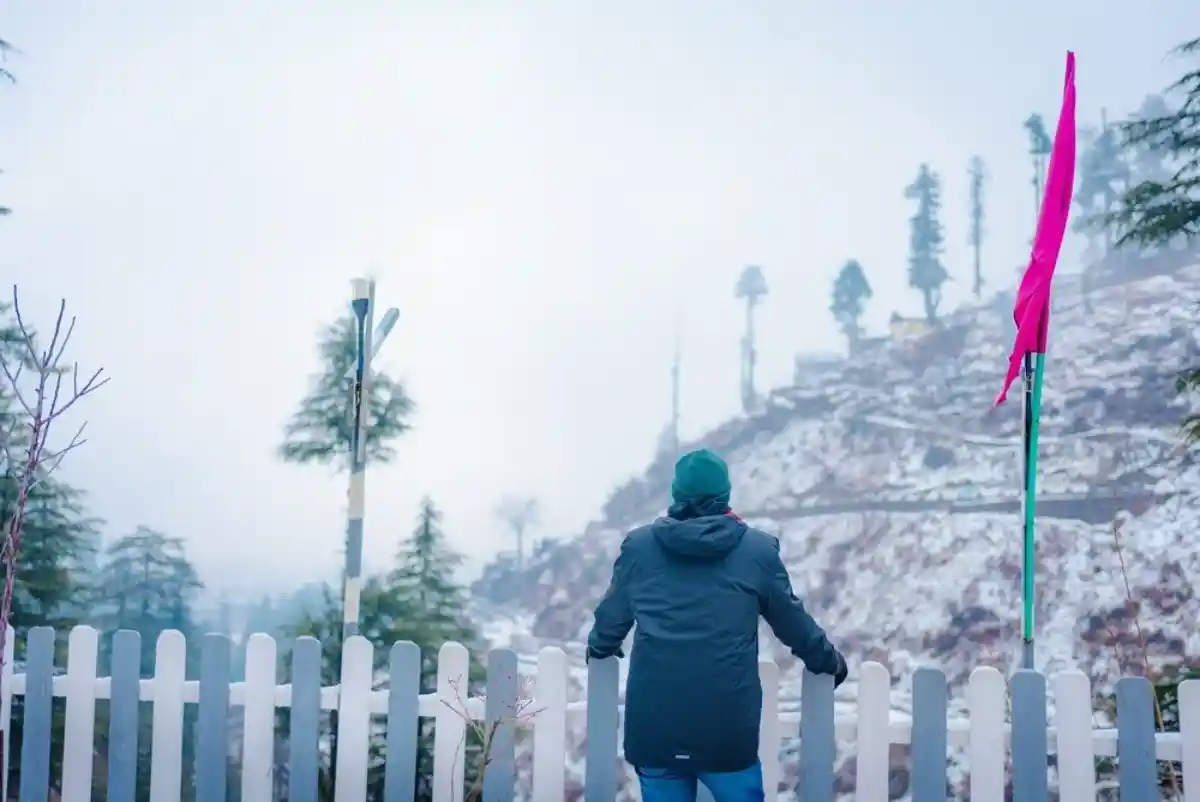
A good jacket can be one of the most useful things in your luggage.
The type of jacket you need depends on the destination and season. A light jacket may be enough for a summer trip, while a winter trip to a higher-altitude destination may require something much warmer.
A jacket that protects you from wind and light rain can be particularly useful.
Also remember that mountain temperatures can feel much colder at night, so don’t pack only according to the daytime temperature.
4. Comfortable Shoes
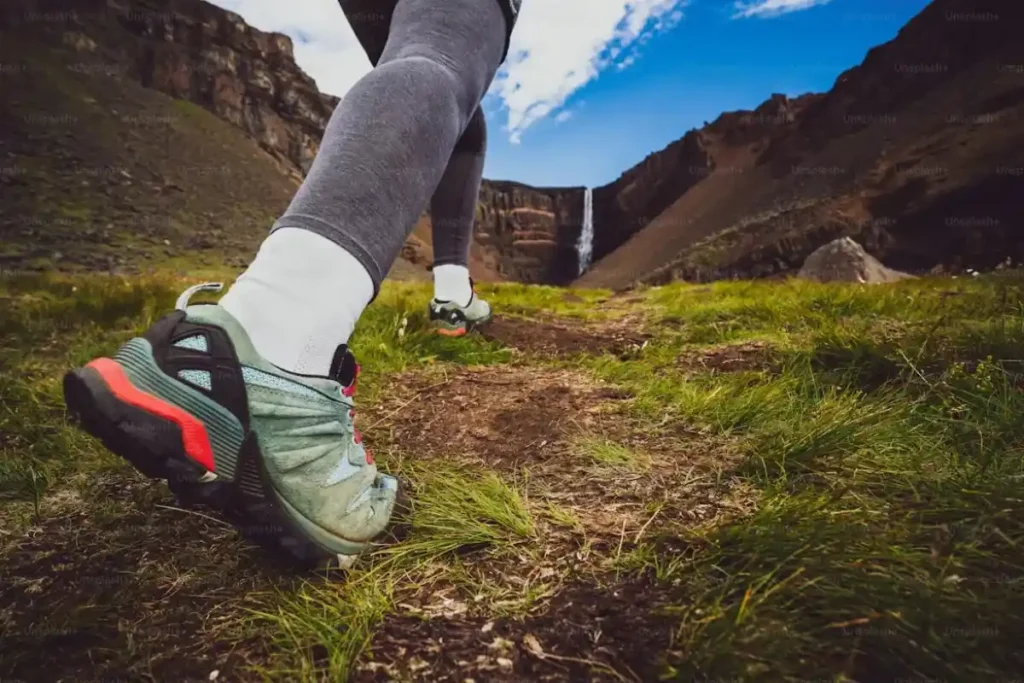
Shoes are something you should choose carefully for a mountain trip.
If you are mainly sightseeing, comfortable walking shoes with a decent grip may be enough. If you expect to spend a lot of time outdoors, choose footwear that provides good support and does not become uncomfortable after a few hours.
For people planning treks in winter, footwear becomes even more important. Cold weather, wet paths and snow can make ordinary shoes uncomfortable. Depending on the destination, proper trekking shoes and warm socks may be necessary.
It is also a good idea to wear your shoes a few times before the trip. Taking a completely new pair to the mountains can sometimes result in blisters and sore feet.
5. Rain Protection
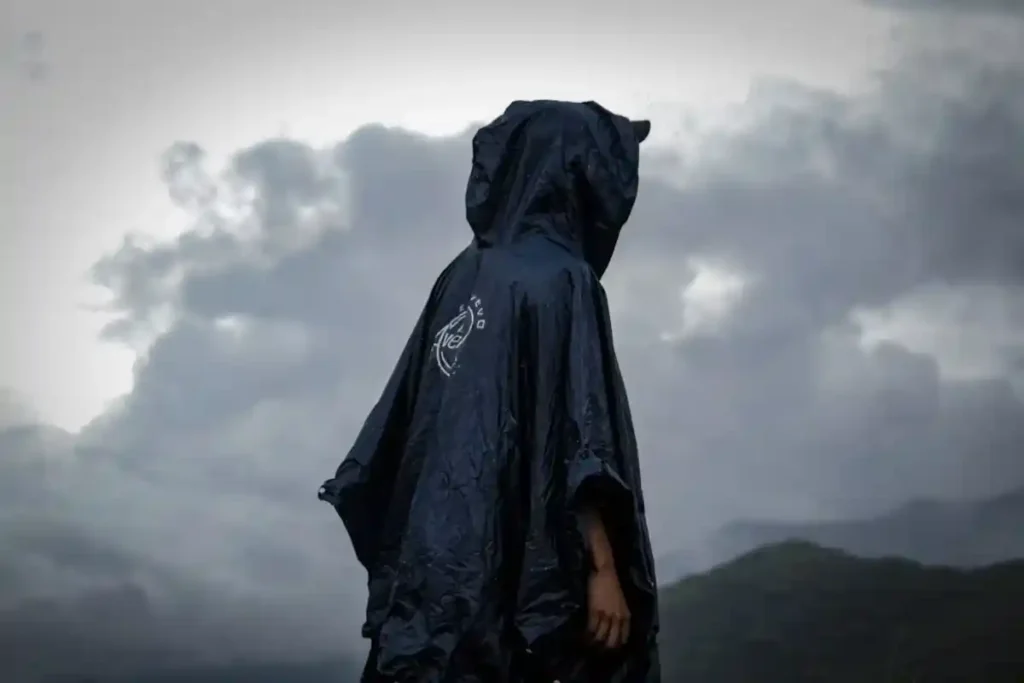
Rain can arrive unexpectedly in mountain areas, even when the weather looks clear in the morning.
A lightweight rain jacket or poncho doesn’t take up much space and can be useful when the weather changes. A rain cover for your backpack is also worth carrying.
You can also keep your phone, documents and other electronic items inside waterproof pouches or simple zip-lock bags.
If you are travelling during the monsoon, check the weather and road conditions before starting your journey.
6. Water Bottle and Some Snacks
A reusable water bottle is always useful when travelling in the mountains.
You may spend several hours on the road or walking around places where shops are not easily available. Carrying your own bottle means you can refill it whenever you find a reliable drinking-water source.
A few simple snacks can also come in handy. Nuts, dry fruits, energy bars, biscuits or chocolate are easy to carry and don’t take up much space.
You don’t need to pack too much food. Just keep enough for the journey or for situations where you may not find a shop nearby.
7. Basic Medicines and First Aid
A small medical kit can be useful even if you normally don’t take any medicines.
Keep your regular medicines with you and consider carrying a few basic first-aid items such as:
- Band-aids
- Antiseptic
- ORS or electrolyte packets
- Basic pain-relief medicine
- Motion sickness medicine, if you need it
- Any prescription medicines
If you are travelling to a high-altitude destination, learn about the conditions beforehand and take appropriate precautions.
8. Toiletries and Personal Care
You don’t need to carry full-size bottles of everything.
Travel-sized toiletries are usually enough for a few days. Depending on your personal needs, you can pack:
- Toothbrush and toothpaste
- Face wash
- Soap
- Shampoo
- Moisturiser
- Sunscreen
- Lip balm
- Hand sanitiser
- Wet wipes
- Tissues
Keeping everything in one small toiletry bag makes it easier to find what you need.
9. Sunglasses and Sun Protection
Cold weather doesn’t mean you can ignore the sun.
You can spend several hours outdoors during a mountain trip, so sunglasses and sunscreen are useful things to have in your bag.
Carry:
- Sunglasses
- Sunscreen
- Lip balm
- Cap or hat
If you are visiting a snowy destination, sunglasses become even more useful because bright sunlight reflecting from snow can be uncomfortable.
10. Phone, Charger and Power Bank
Your phone can be useful for much more than taking photographs.
You may use it for maps, hotel bookings, weather updates, tickets and staying in touch with family or friends.
Before leaving, make sure you have:
- Phone
- Charging cable
- Wall charger
- Power bank
- Earphones, if needed
It is also a good idea to download important maps and booking details before travelling. Mobile connectivity may not be reliable in some mountain areas.
11. Important Documents
Keep your important documents somewhere safe and easy to access.
Depending on your trip, these may include:
- ID proof
- Passport and visa, for international travel
- Hotel booking details
- Travel tickets
- Driving licence
- Travel insurance documents
- Emergency contact information
Keeping digital copies of important documents on your phone or secure cloud storage can also be helpful.
12. A Small Torch or Headlamp
A torch may seem unnecessary until you actually need one.
It can be useful during a power cut, while walking back to your accommodation after dark or during an early morning outing.
For longer outdoor trips, a headlamp can be more convenient because you can keep both hands free.
A small torch doesn’t take up much room, so there is little reason not to carry one.
13. A Small Daypack
A small daypack is useful even if you have a larger main bag.
You can use it to carry the things you need during the day, such as:
- Water bottle
- Snacks
- Jacket
- Sunglasses
- Sunscreen
- Phone
- Power bank
- Basic medicines
This is much easier than carrying your full luggage every time you leave your accommodation.
14. Pack According to the Season
The things you need will change depending on when you travel.
For summer trips, lightweight clothes, sunscreen, sunglasses and a light jacket may be enough.
Monsoon trips require more attention to rain protection. A rain jacket, backpack cover and extra socks can be useful.
Winter trips need more warm clothing. Thermal layers, gloves, woollen socks, a warm jacket and suitable footwear can make a big difference.
If you are heading to a snowy or high-altitude destination, check the local weather conditions before leaving and find out whether you need any additional equipment.
15. Don’t Overpack
One of the easiest mistakes to make is carrying too much.
You may think you need several outfits, multiple pairs of shoes and lots of accessories, but most of them will probably stay inside your bag.
Try to avoid carrying:
- Too many pairs of shoes
- Several heavy jackets
- Large toiletry bottles
- Clothes you probably won’t wear
- Too many electronic gadgets
- Unnecessary accessories
A lighter bag is easier to manage, especially if you are travelling by public transport or moving between different places.
Before putting something in your bag, ask yourself whether you are actually going to use it.
16. Keep Frequently Used Things Accessible
Don’t put everything at the bottom of your bag.
Things like your phone charger, medicines, water bottle, jacket and important documents should be easy to reach.
This becomes especially useful during road trips. You may need your jacket or medicines during a stop without wanting to open your entire luggage.
A little organisation before leaving home can save you a lot of time later.
17. Check the Destination Before Leaving
A packing list is only a starting point. The destination itself should decide what you take.
Check the weather forecast before leaving and look at the expected temperatures during both the day and night.
If you are travelling during winter, check whether snow is expected. For monsoon travel, look at the weather and road conditions.
Also think about what you will actually be doing. A weekend at a hill station, a road trip through the mountains and a multi-day hike will all require different types of packing.
Final Mountain Trip Packing Checklist
Before leaving home, quickly go through your bag:
☐ Comfortable travel bag
☐ Small daypack
☐ Comfortable shoes
☐ Warm jacket
☐ T-shirts and full-sleeve clothes
☐ Trousers or travel pants
☐ Socks and undergarments
☐ Gloves and cap for cold weather
☐ Rain jacket or poncho
☐ Backpack rain cover
☐ Water bottle
☐ Snacks
☐ Personal medicines
☐ Basic first-aid items
☐ Toiletries
☐ Sunscreen
☐ Sunglasses
☐ Phone and charger
☐ Power bank
☐ ID and travel documents
☐ Small torch or headlamp
Final Thoughts
Packing for a mountain trip doesn’t have to be complicated. The best approach is to think about where you are going, what the weather will be like and what you plan to do there.
Take comfortable clothes, suitable footwear, protection from rain and cold, basic medicines and the everyday items you need. At the same time, avoid filling your bag with things you are unlikely to use.
A little planning before the trip can make the journey much more comfortable. Once your bag is ready, you can focus on what really matters — enjoying the mountains and making the most of your trip.